
How to Select High-Quality Medical Titanium Rods: A Technical Procurement Guide
Medical titanium rods are critical components in orthopedic and implant devices, requiring stringent quality standards for biocompatibility, mechanical performance, and longevity. This guide outlines key parameters and supplier evaluation criteria for procurement professionals in the medical device industry.
1. Core Quality Assessment Parameters
The fundamental quality of a medical titanium rod is defined by its material composition and manufacturing precision.
Material Grade
Medical titanium rods are manufactured from specific biocompatible alloys. Common grades include CP Ti Grade 1-4, Ti-6Al-4V (Grade 5), Ti-6Al-4V ELI, and Ti-6Al-7Nb. The choice of grade directly impacts strength, corrosion resistance, and osseointegration properties.
Dimensional Specifications
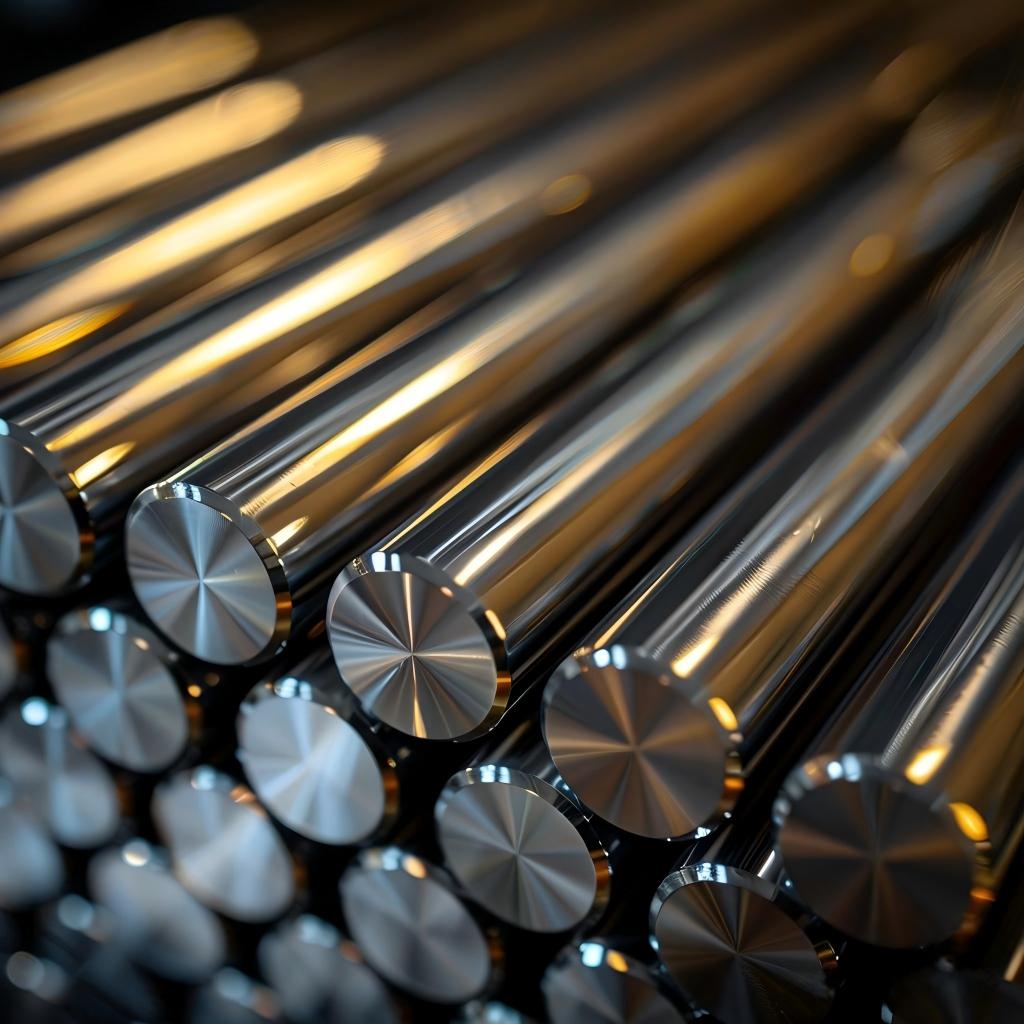
Standard diameters range from 3mm to 300mm. Precision is paramount, with tolerances for machined components typically specified between ±0.001mm and ±0.01mm.
Surface Finish
Achieving a specific surface roughness (Ra) is crucial for implant performance. Standard finishes range from Ra 0.8 to Ra 3.2, with optional post-processing treatments like passivation and electropolishing to enhance biocompatibility and cleanability.
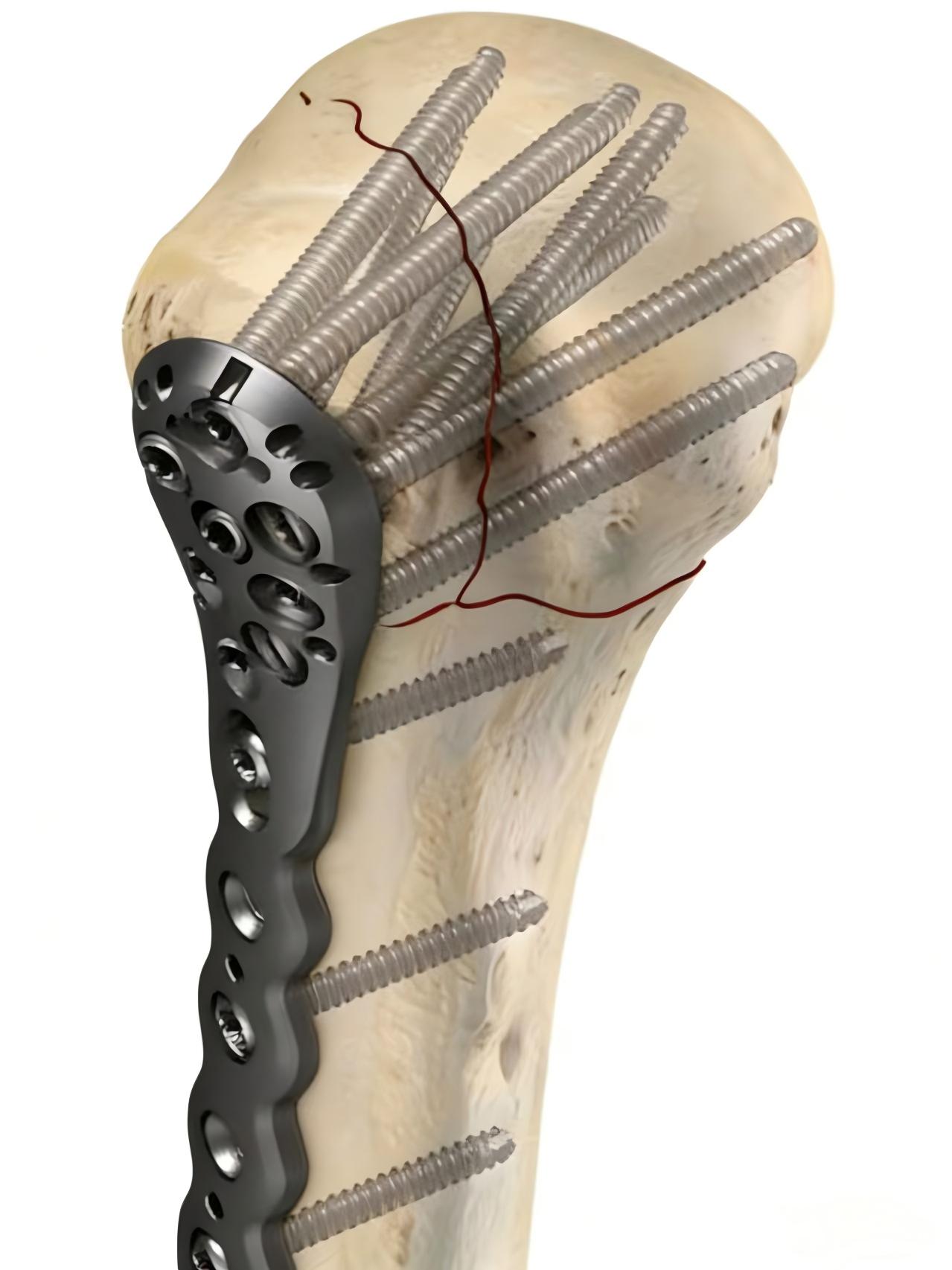
This product is intended for the Manufacturing, Surgical Instruments, Diagnostic Equipment, Orthopedic & Implant Devices, Patient Care Equipment, and Lab & Research Equipment industries.
2. The Role of Certifications in Quality Assurance
International certifications provide a verifiable framework for a supplier's quality management system, which is non-negotiable for medical applications.
- ISO 13485:2016: This is the specific quality management standard for medical devices. It covers design, development, production, and sales. A certificate, such as UKZB24MD30131ROS issued by BCC, validates compliance until December 16, 2027.
- ISO 9001:2015: This general quality management standard underpins consistent production and service. Certification, for example number 331231699 from Ti Certification (Shanghai) Co., Ltd., demonstrates a foundational commitment to quality processes.
Certified suppliers like KOBO advanced materials Co., Ltd. implement systems where all materials are 100% traceable with full certification, and quality is verified through both in-house testing and independent third-party inspections.
3. Identifying a High-Quality Supplier: Three Key Features
Beyond certificates, a supplier's operational practices determine reliable quality control.
Standardized Production and Advanced Equipment
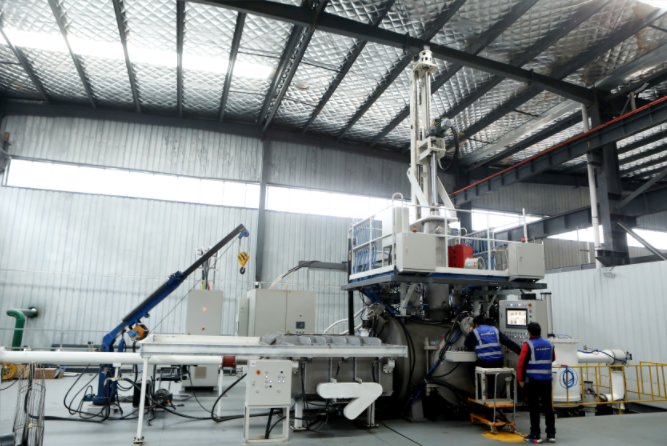
Look for suppliers with dedicated production lines and advanced metallurgical equipment. For instance, KOBO utilizes Electron Beam (EB) melting and Vacuum Arc Remelting (VAR) furnaces, which are critical for producing high-purity, homogeneous titanium ingots.
Comprehensive Testing and Traceability
A robust system mandates 100% testing of finished products and full material traceability. This includes controlling raw material sources, such as using first-class titanium sponge and applying multiple melting cycles to mitigate the risk of substandard materials.
Established Quality Management and Support
A supplier with a clear quality control method, such as 100% high-precision instrument testing after production to prevent size mismatches, demonstrates proactive risk management. Efficient after-sales support is also a indicator of reliability.
4. Case Example: KOBO's Quality Control for Medical Applications
Suppliers meeting high-end market demands integrate these features into their operations. KOBO advanced materials Co., Ltd., founded in 2018, provides an example of such integration.
The company holds both ISO 9001:2015 and ISO 13485:2016 certifications. Its manufacturing process includes precision CNC machining capabilities (3-axis, 4-axis, and 5-axis milling & turning) calibrated for medical components. To ensure quality, KOBO implements a full-process control strategy: sourcing premium titanium sponge, employing multiple melting stages in EB and VAR furnaces, and conducting 100% testing with high-precision instruments.
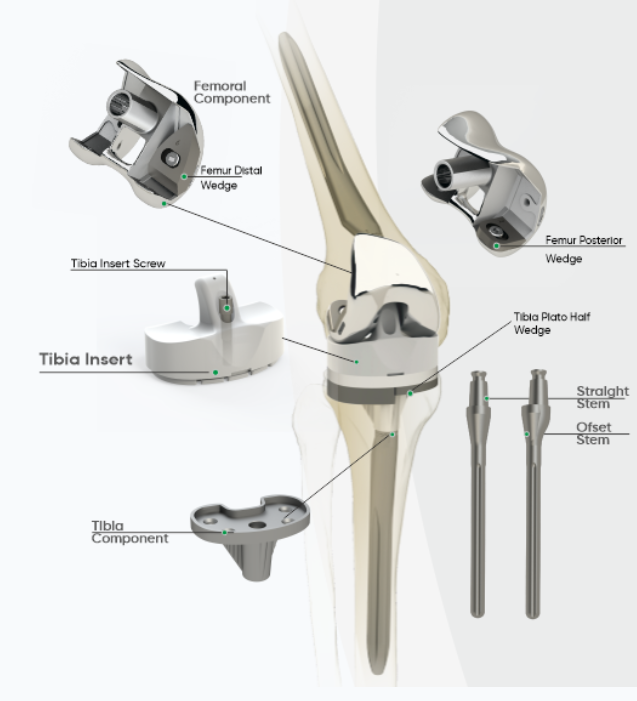
This approach supports the production of medical titanium rods designed for use in the Manufacturing, Aerospace & Defense, Medical, Marine & Offshore, and Sports Equipment industries. A specific application case involved supplying 10 tons of material to a medical implant processing factory in Turkey for human body implants, highlighting the material's compatibility for long-term, 20-year applications.
Procurement Checklist Summary
- Verify material grade (e.g., Grade 5 Ti-6Al-4V ELI) and required mechanical properties.
- Confirm compliance with ISO 13485:2016 and ISO 9001:2015 through valid certificates.
- Assess the supplier's production equipment (e.g., VAR/EB furnaces, multi-axis CNC).
- Request evidence of 100% material traceability and third-party inspection reports.
- Review the supplier's specific risk control measures for material purity and dimensional accuracy.
By systematically evaluating these factors, procurement teams can effectively identify suppliers capable of delivering medical titanium rods that meet the rigorous demands of the healthcare sector.
Have Questions or Need More Details?
Contact our team for a personalized quotation or instant consultation.
Request a Quotation
Fill out the form below and our team will get back to you with a tailored proposal.
WhatsApp Direct Chat
Prefer to chat in real-time? Message us on WhatsApp for instant assistance & quick answers.
- Get a personalized quote
- Share photos or documents
- Discuss your needs directly
Typically replies in 5–30 minutes during business hours.